GRAZING PREY
Wide bars for wide views
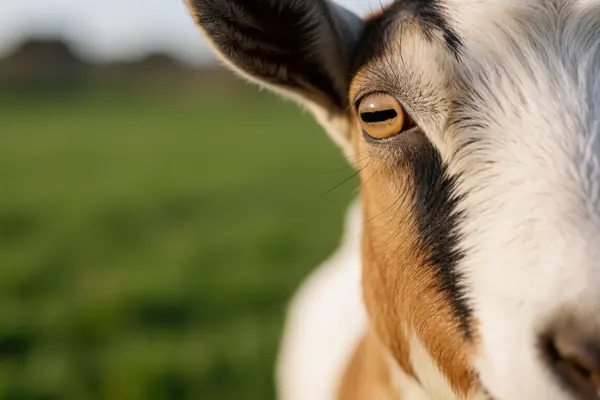
Of the 42 plant-eating prey animals in the study, 36 had horizontal pupils. Computer models showed the bars widen the view along the ground, where predators usually come from.
See the numbers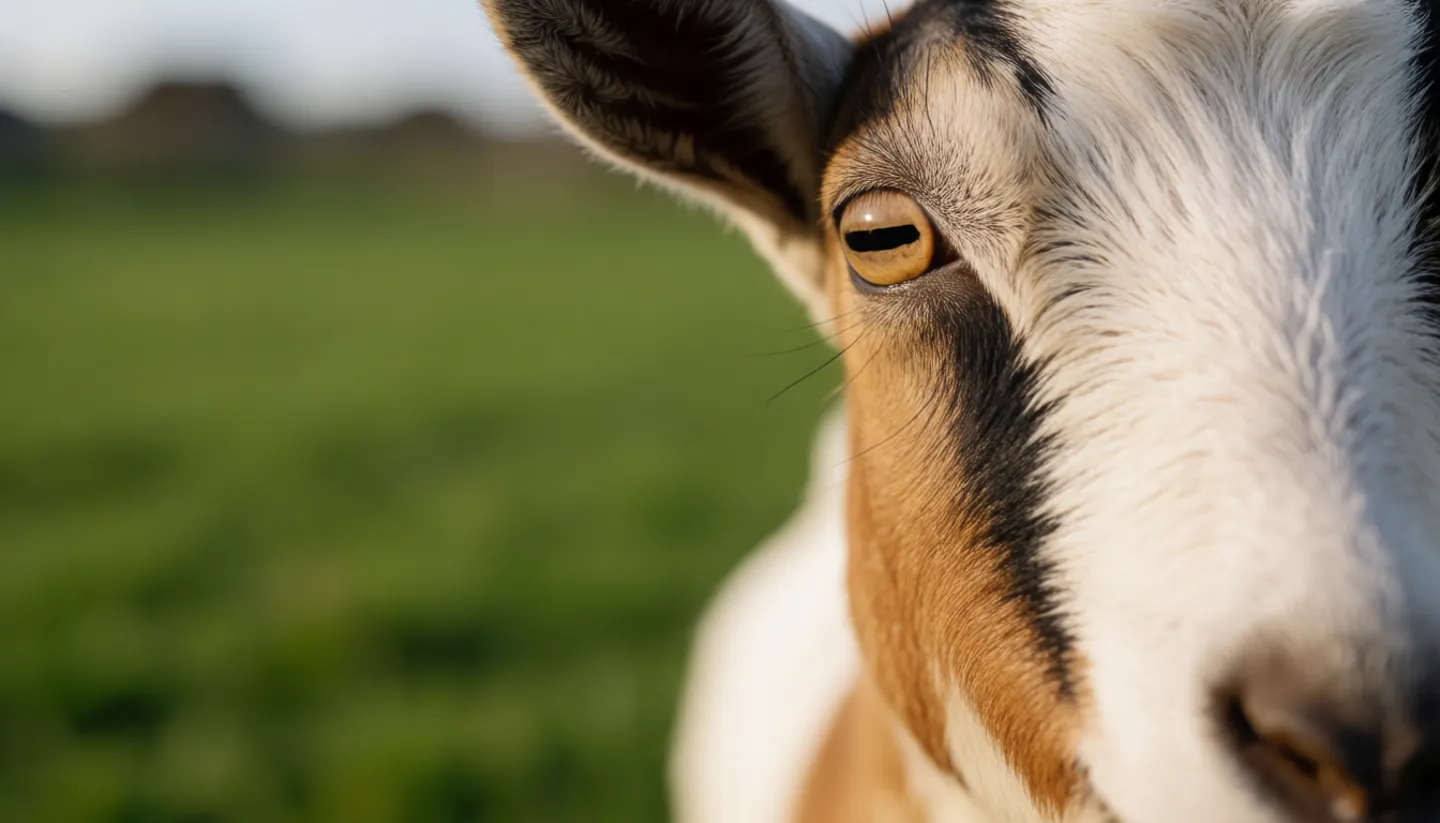
 doodleye
ANIMAL EYES
214 species compared
Pupil shape is a strong clue to how an animal lives.
Researchers at UC Berkeley and Durham University compared 214 species of land animals. Vertical slits went with ambush predators, horizontal bars with grazing prey, and round pupils with animals that chase their food.
Updated
Pick an animalTHE SHORT ANSWER
The study found a striking link between pupil shape and ecological niche:
how an animal feeds and when it is active.
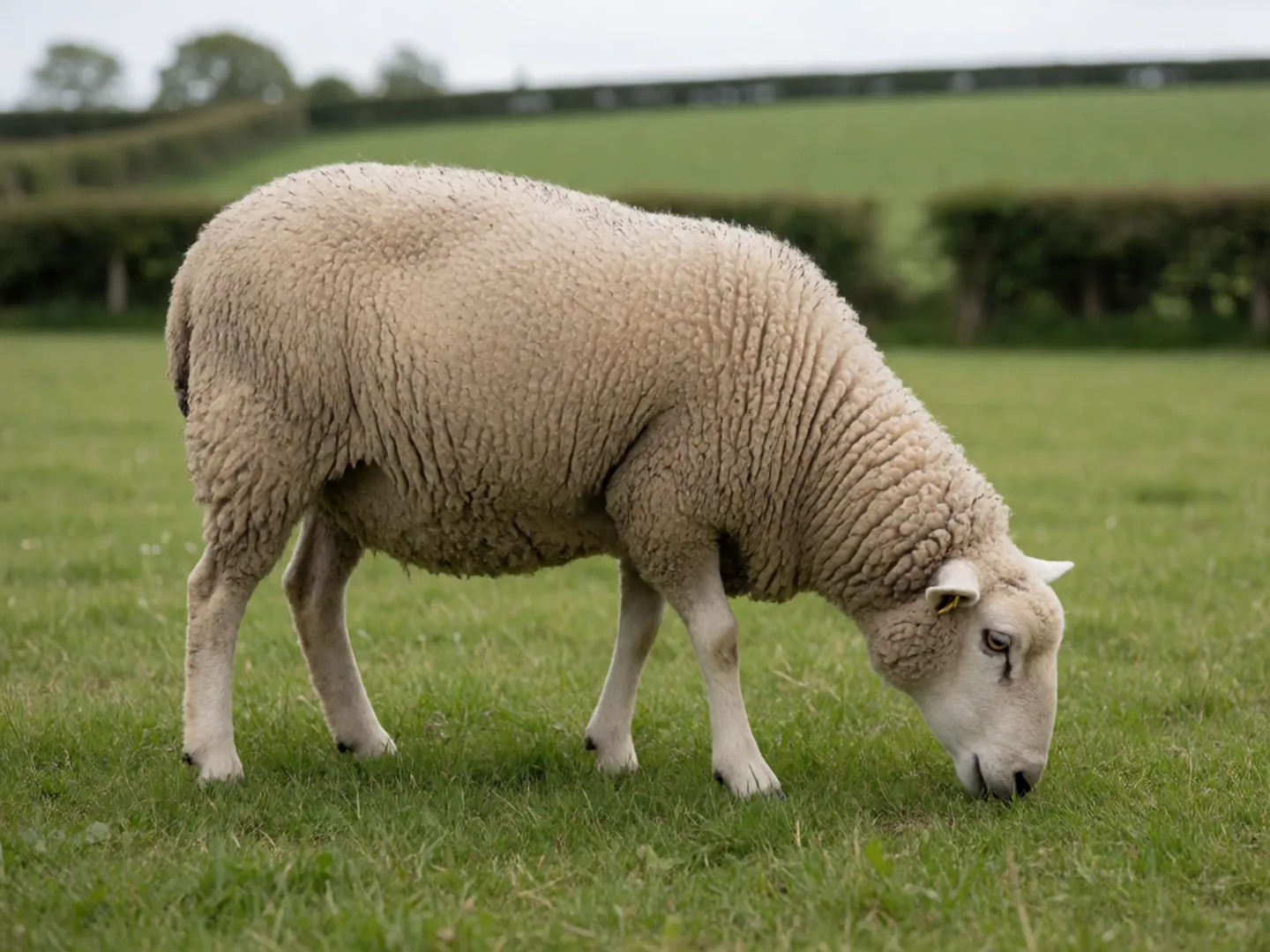
GRAZING PREY
Of the 42 plant-eating prey animals in the study, 36 had horizontal pupils. Computer models showed the bars widen the view along the ground, where predators usually come from.
See the numbersAMBUSH PREDATORS
Vertical slits keep upright edges sharp and blur horizontal ones, which helps judge the distance of a pounce without moving the head and giving the game away.
Pick an animalHEAD DOWN
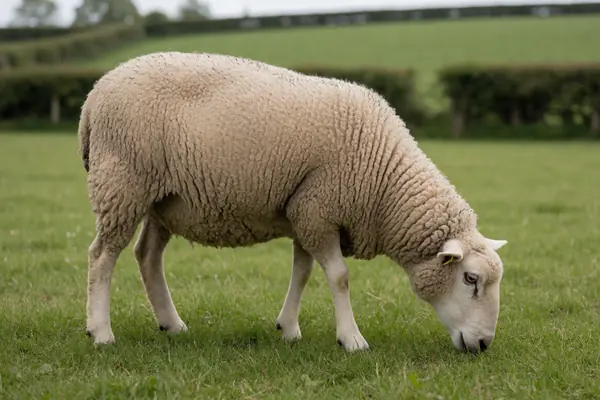
When goats, sheep and horses lower their heads to graze, their eyes rotate so the pupils stay parallel to the ground, by 50 degrees or more in each eye.
How it worksA QUICK PUPIL CHECK
Pick an animal to see its pupil shape and what the study suggests that shape is for. The bar shows how elongated the pupil is.
Based on Banks and colleagues, Science Advances (2015), and UC Berkeley's summary of the study.
TWO NUMBERS WORTH KNOWING
One figure for prey animals,
one for how much a slit pupil can change.
36 of 42
Herbivorous prey with horizontal pupils
And 26 of 27 terrestrial prey animals examined had eyes set far apart on the sides of the head.
PREY · SCIENCE ADVANCES 2015
135× vs 15×
Change in pupil area, cat versus human
A gecko's vertical slit changes about 300-fold. Slits close using extra muscles that squeeze the opening from the sides.
PUPIL RANGE · SCIENCE ADVANCES 2015
Among 65 front-eyed ambush predators in the study, 44 had vertical pupils, and 82 percent of those stood less than 42 cm at the shoulder.
THREE THINGS TO NOTICE
You can see the patterns from the study for yourself on a farm walk, at a zoo or at home.
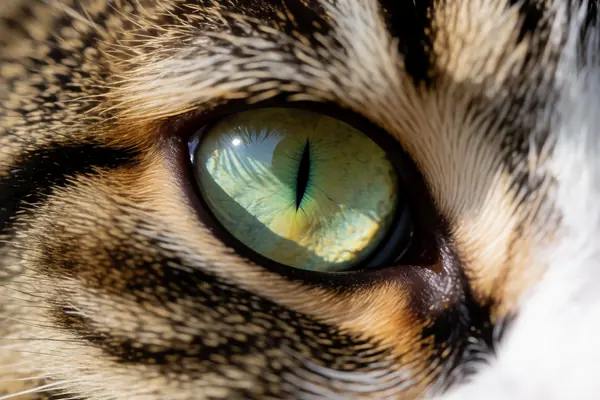
A pet cat's pupils narrow to slits in bright light; a lion's or tiger's stay round, as the study found for taller predators.
When a sheep, goat or horse drops its head to eat, look at the pupil: the researchers saw the eyes rotate to keep it level with the ground.
The study found no land animals in its data with diagonally elongated pupils. Slits and bars line up vertically or horizontally.
HOW THE SHAPES WORK
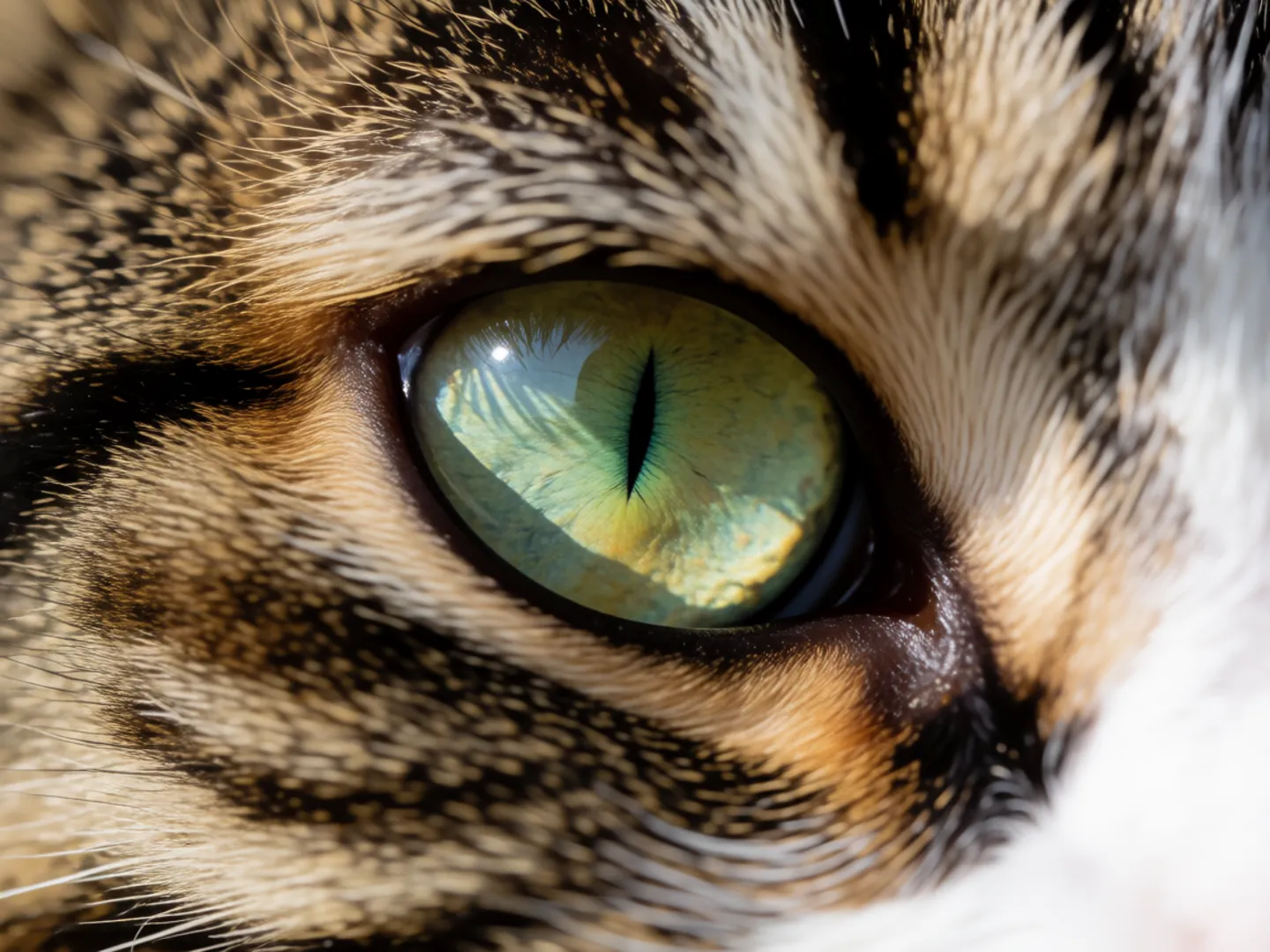
An elongated pupil gives different depth of field in each direction. A vertical slit keeps vertical edges sharp at many distances while blurring horizontal ones, so an ambush predator can use both stereo vision and blur to judge distance.
A horizontal pupil does the reverse, keeping the ground ahead and behind in sharp focus for a panoramic view. It also limits dazzling light from the sky above, helping prey animals watch the ground and run over rough terrain.
Questions
A study of 214 land species found horizontal pupils are very likely in plant-eating prey with eyes on the sides of the head. Models showed the shape widens the view along the ground and cuts glare from above.
Domestic cats are ambush predators active by day and night. Slits can change in area about 135-fold, and they help judge distances before a pounce.
The study found vertical slits mainly in ambush predators close to the ground. Taller predators such as lions and tigers have round pupils, like humans and dogs.
Yes. The researchers observed that when grazing animals lower their heads, their eyes rotate to keep the pupils horizontal, by 50 degrees or more in each eye, about 10 times the range of human eyes.
The study found no terrestrial species, among those it had data for, with diagonally elongated pupils.
Sources
ABOUT THIS NAME
doodleye.com is part of the DoodleSale portfolio. It isn't in an auction right now, but you can ask about leasing it.